|
|
Hello,
On
Saturday, members of the Education Funding Task Force met with
Legislators and health‑insurance experts to examine the rising cost
of healthcare in Alaska. High premiums and high utilization rates are
straining school district budgets, as well as the budgets of
businesses, families, and anyone else who pays for care in our state.
The
Legislature is now exploring ways to reduce both premiums and overall
healthcare costs. That includes strengthening the bargaining power of
insured groups when negotiating prescription drug prices, ending
illegal and unethical non‑compete clauses that prevent groups from
seeking more affordable coverage, and expanding access to primary
care so that serious conditions can be caught early rather than
becoming costly emergencies.
Better
management of healthcare costs can save money for the State of Alaska
and for you. The work ahead won’t be simple, but it’s essential to
ensure Alaskans can stay insured and aren’t one medical emergency
away from bankruptcy.
I
am honored to be your effective advocate in Juneau. Please contact my
office when you have ideas or concerns by calling 907-283-7996 or by
email at sen.jesse.bjorkman@akleg.gov
|
|
|
|
|
I
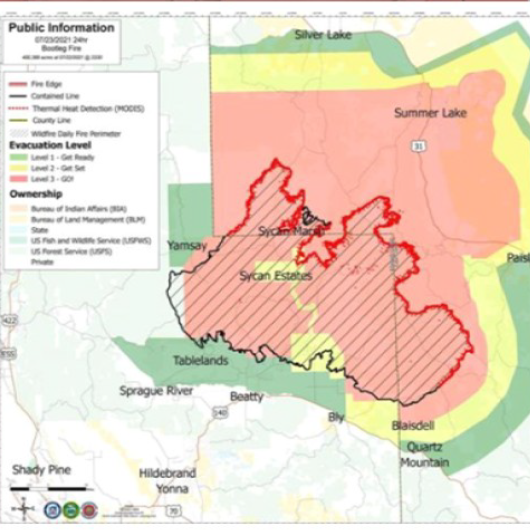
sponsored SB 192 to standardize a “Ready, Set, Go” approach to
emergency communications across the state with corresponding green,
yellow, and red color coding. This will ensure that the public will
get clear and easy to understand instructions on when to prepare to
leave and when to go in an emergency. SB 192 has its second hearing
in the Senate Community and Regional Affairs Committee this
week.
|
|
|
|
|
The
sale of pull-tabs, or rippies, provides a significant source of
revenue for many Alaskan non-profits and charities but the cost of
paper pull-tabs has risen sharply, eating up a big part of the
income. I sponsored SB 170 to allow Alaskans to play electronic
pull-tabs using a tablet at an authorized site, ensuring pull-tabs
stay a fun and social activity and avoiding the pitfalls of
full-blown casino gambling. The bill passed its first committee and
now goes to the Senate Finance Committee for consideration.
|
|
|
|
|
In
order to increase Alaska's in-state food production we must support
Alaska's agriculture industry, including farms that grow non-food
products such as peonies and hay for horses. While these farms don't
contribute directly to food production, they do support the
businesses and services necessary for all farms to operate. I
sponsored Senate Bill 200, which has a hearing in the Senate
Community and Regional Affairs Committee, to expand eligibility for
municipal property tax deferrals to include agricultural operations
that do not directly produce food for Alaskans and to include farms
that operate as S Corporations.
|
|
|
|
|
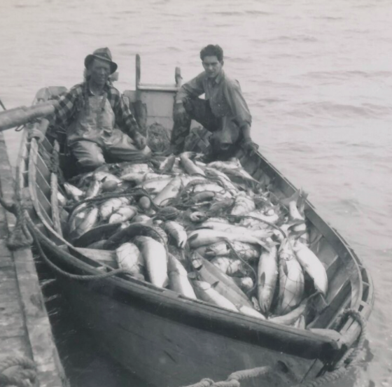
Senate
Bill 158, which I sponsored, allows the permit holders who had
traditionally fished the East Side of Cook Inlet to be managed and
optimized according to the mission of CFEC and the Alaska
Constitution. It does this by directing the CFEC to create a new
administrative area that consists of the six statistical areas which
make up the uniquely regulated Cook Inlet East Side Set Net fishery.
Within this new administrative area, CFEC will have the power to
effectively designate the number of setnet permits that participate
in that fishery. After passing the Labor and Commerce Committee last
year, SB 158 has its first hearing in the Senate Resources Committee
this Friday.
|
|
|
|
|