|
This week, the Senate Judiciary Committee held a joint hearing with the Senate State Affairs Committee to learn about the release of confidential voter information to the U.S. Department of Justice (DOJ).
The DOJ sent a request for voter roll information to all fifty states. 29 states and the District of Columbia refused to provide confidential information to the DOJ, and the DOJ brought lawsuits against those states. In December, Lieutenant Governor Nancy Dahlstrom and Division of Elections Director Carol Beecher sent a list of every registered Alaska voter to the federal government, roughly 550,000 people. Texas is the only other state to release confidential voter information to the federal government. The released information included dates of birth, driver license numbers, and social security numbers, which are confidential under Alaska law.
The DOJ has said it will review the voter rolls to determine if there are voters they believe should not be registered.
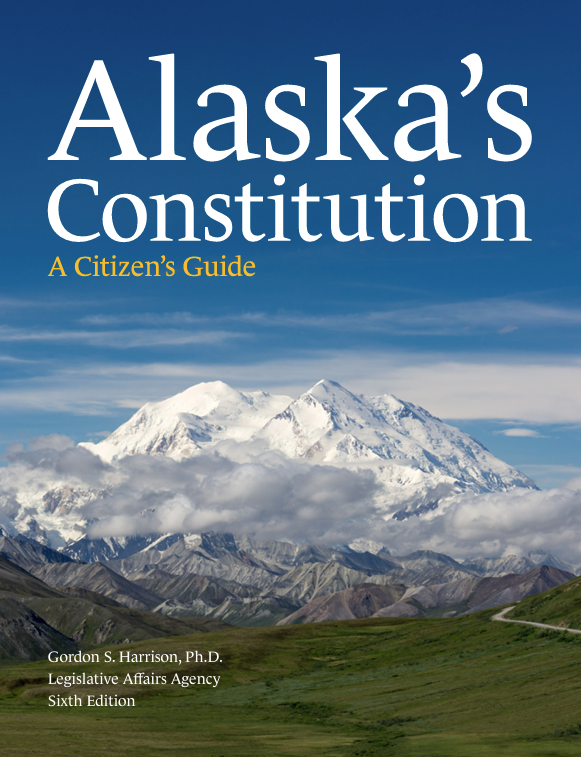
Article 1, Section 22 of Alaska’s Constitution establishes a personal right to privacy. Sending the confidential information of hundreds of thousands of Alaskans to the federal government is not consistent with our right to privacy. When asked about this breach of the right to privacy, the Department of Law stated that the interest of ensuring election integrity allowed the Division of Elections to send confidential, personal information to the federal government.
States have the right to maintain their own voting lists and manage their own elections. Our Alaska right to privacy states: “The right of the people to privacy is recognized and shall not be infringed.” The request from the federal government for Alaska’s confidential voter information and Alaska agreeing to that request raises constitutional concerns, especially about how we protect your right to privacy.
You can watch the full hearing here.
|